
Ōtaki to North of Levin Highway
Freshwater ecology lead during the consenting phase on one of Aotearoa New Zealand’s largest roading projects – designing field surveys, shaping highway design to protect aquatic ecosystems across five catchments and 48 waterways, identifying stream biodiversity offset sites, presenting evidence at hearings and expert conferencing, and was available as an expert witness throughout the Environment Court process.
2021–2025
context
The Ōtaki to North of Levin (Ō2NL) Highway is a 24-kilometre, four-lane median divided State Highway and shared-use path through the Horowhenua District, connecting the Peka Peka to Ōtaki Expressway with State Highway 1 north of Levin. The route traverses five water catchments and intersects 48 identified waterways ranging from rivers with high ecological value and diverse native fish communities, to heavily modified farm drains and ephemeral flow paths. For a project of this scale, the freshwater ecology assessment needed to establish baseline conditions across every waterway, evaluate construction and operational effects, and design management responses satisfying statutory requirements and the expectations of iwi partners, regional councils, and the Department of Conservation.

challenge
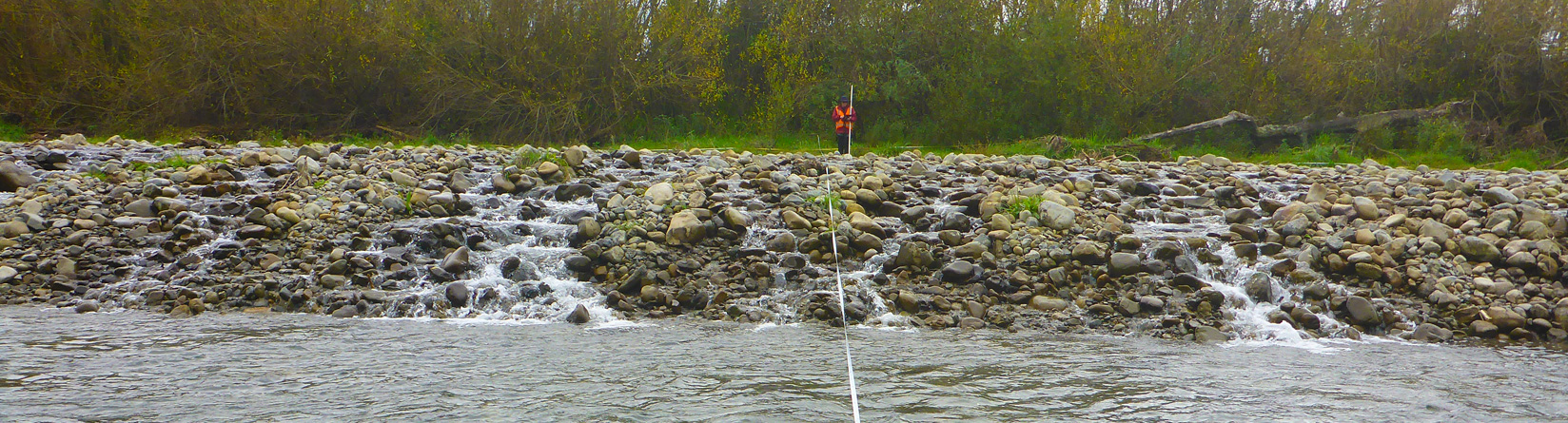
- The highway crosses 48 waterways in five distinct catchments, including the Ōhau River and Waikawa Stream (high ecological value, diverse native fish, pollution-sensitive macroinvertebrates). Of these, 25 permanently flowing rivers and streams required individual assessment and a site-specific effects management response.
- Consenting requirements spanned two regional councils (Horizons, Greater Wellington) and two district councils (Horowhenua District, Kāpiti Coast District), each with different regulatory expectations for freshwater management.
- Iwi partners Muaūpoko and Ngāti Raukawa ki te Tonga hold deep cultural connections to these waterways. Ecological work needed to integrate with the Cultural and Environmental Design Framework (CEDF), placing Te Mana o te Wai at the centre of the project’s design philosophy.
our role
EOS Ecology was the freshwater ecology lead for the consenting phase of the Ō2NL Project. Engaged by Stantec as a subconsultant for the resource consent application and AEE phase, we then worked directly with the NZTA on hearing and offsetting matters. Across the life of the project we have been responsible for establishing the ecological baseline across all permanently flowing waterways, providing freshwater ecology input to highway design, producing the technical assessment of environmental effects (Technical Assessment K), presenting expert evidence at hearings and conferencing, being available as expert witnesses for Environment Court proceedings, and identifying and mapping stream offsetting sites, including meeting with landowners.

how we approached it
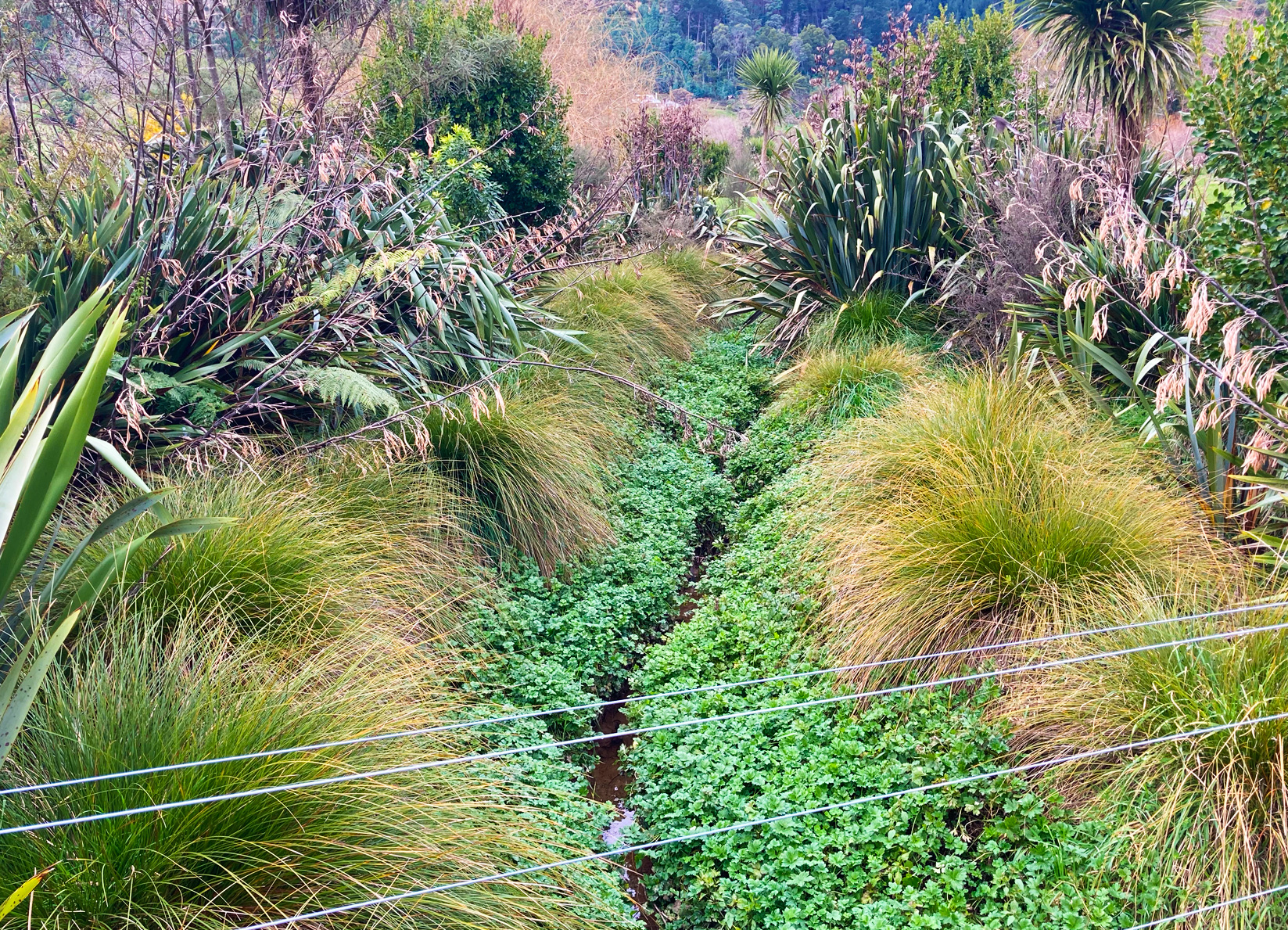
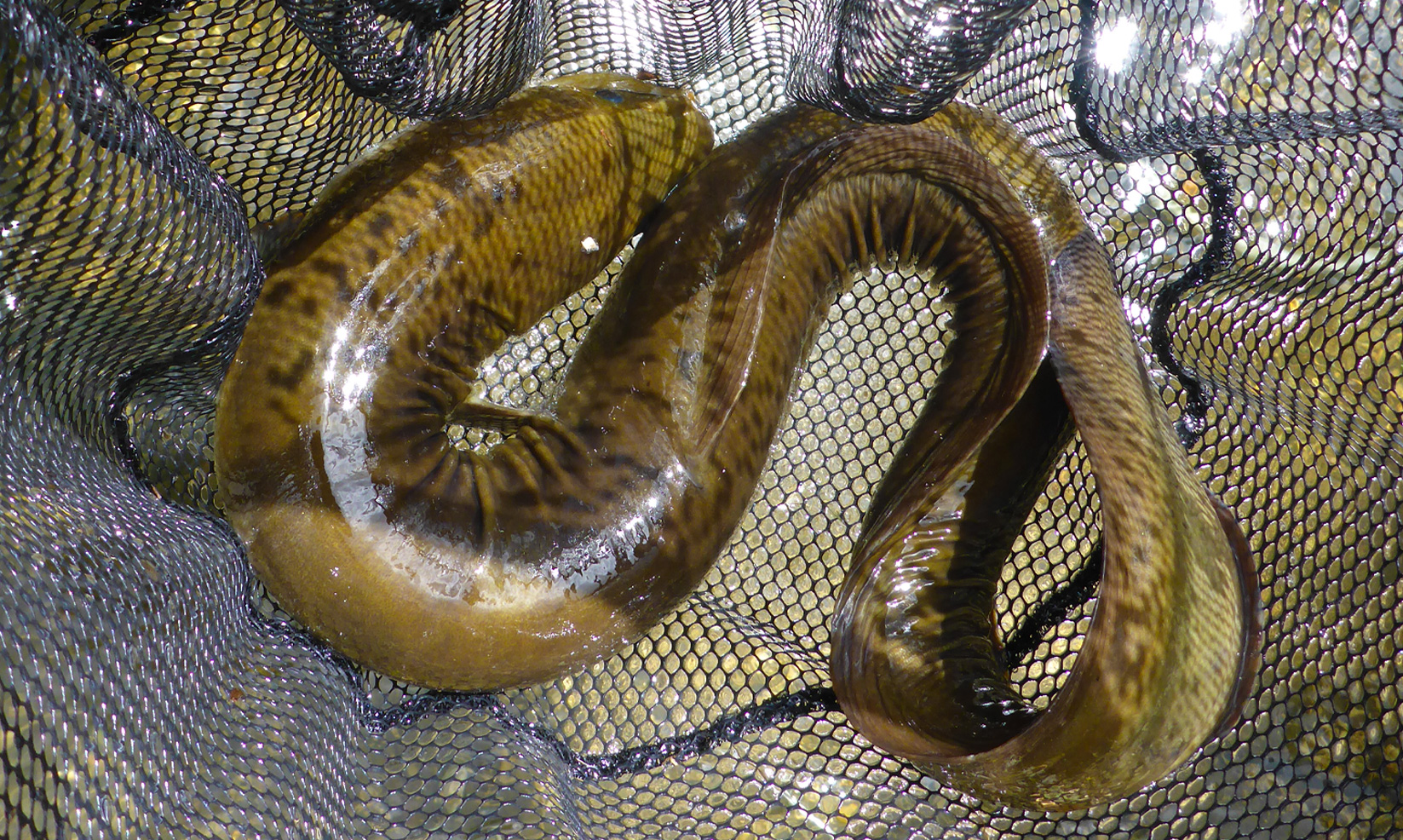
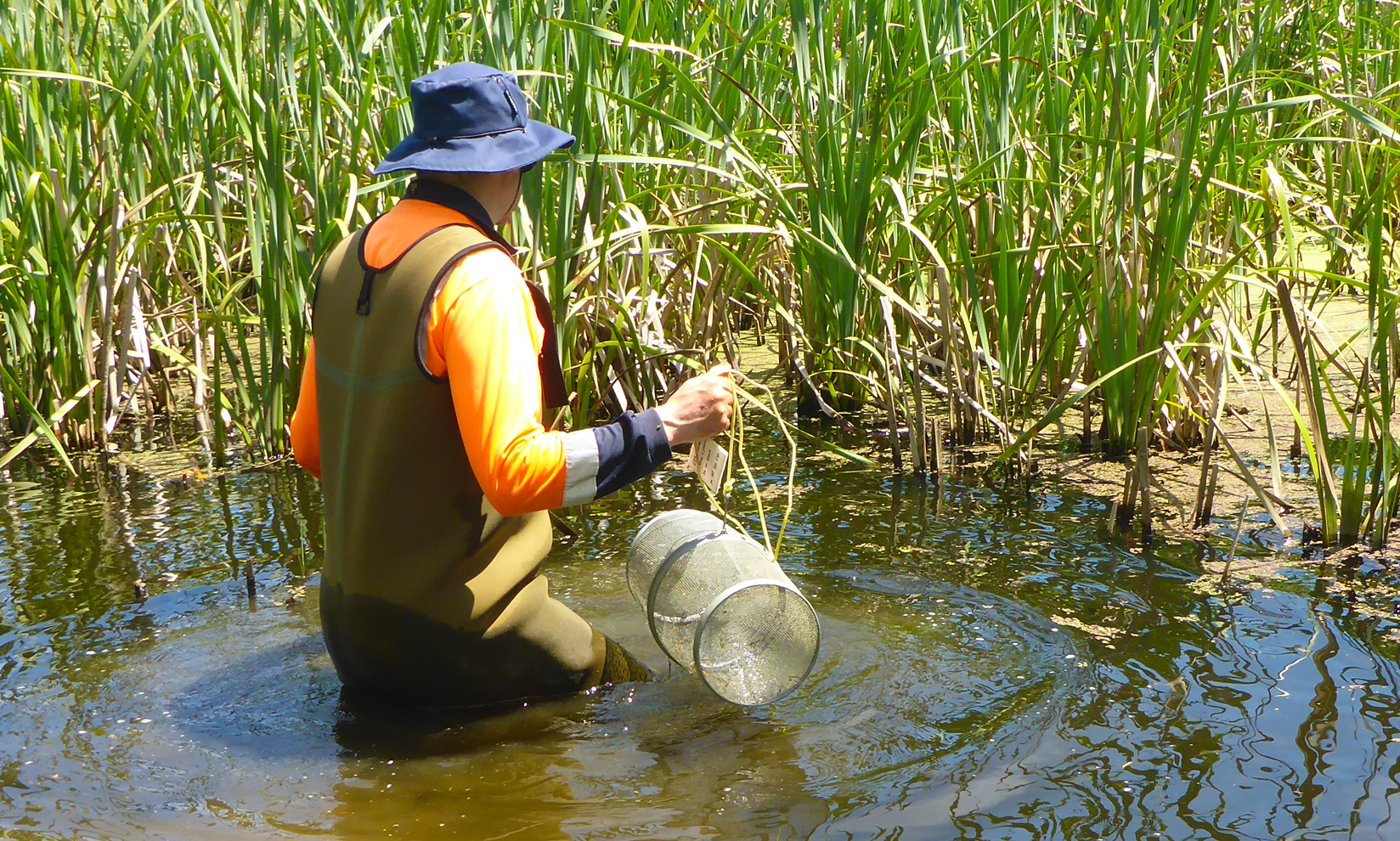
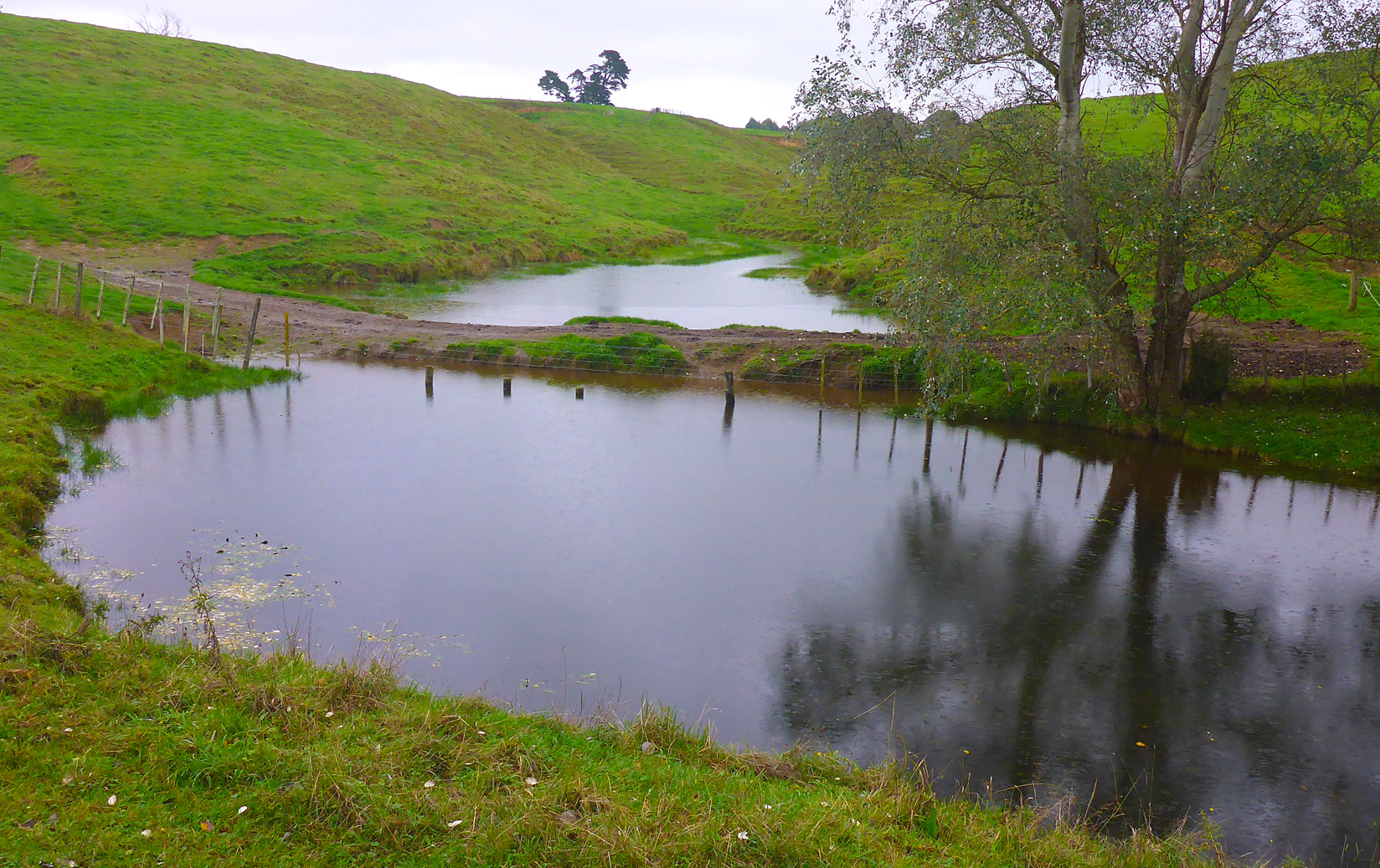
- Designed and led a comprehensive field survey programme across all accessible waterways – Stream Ecological Valuation (SEV) habitat assessments, macroinvertebrate sampling, and eDNA sampling at permanently flowing sites from Mar–Nov 2021, providing the ecological baseline for every waterway intersected by the Highway. The inclusion of eDNA allowed detection of rare and cryptic species, including piharau/lamprey and shortjaw kōkopu, and determining the fish communities of waterways too small for conventional electrofishing or trapping.
- Provided ongoing design advice around all crossings of high-value waterways to ensure crossings weren’t impacting on fish passage, including recommending the use of bridges rather than culverts for larger waterways and the use of stream simulation design for culverted perennial streams. Stormwater infrastructure, construction footprints, and lighting locations were adjusted to minimise impacts on adjacent waterways.
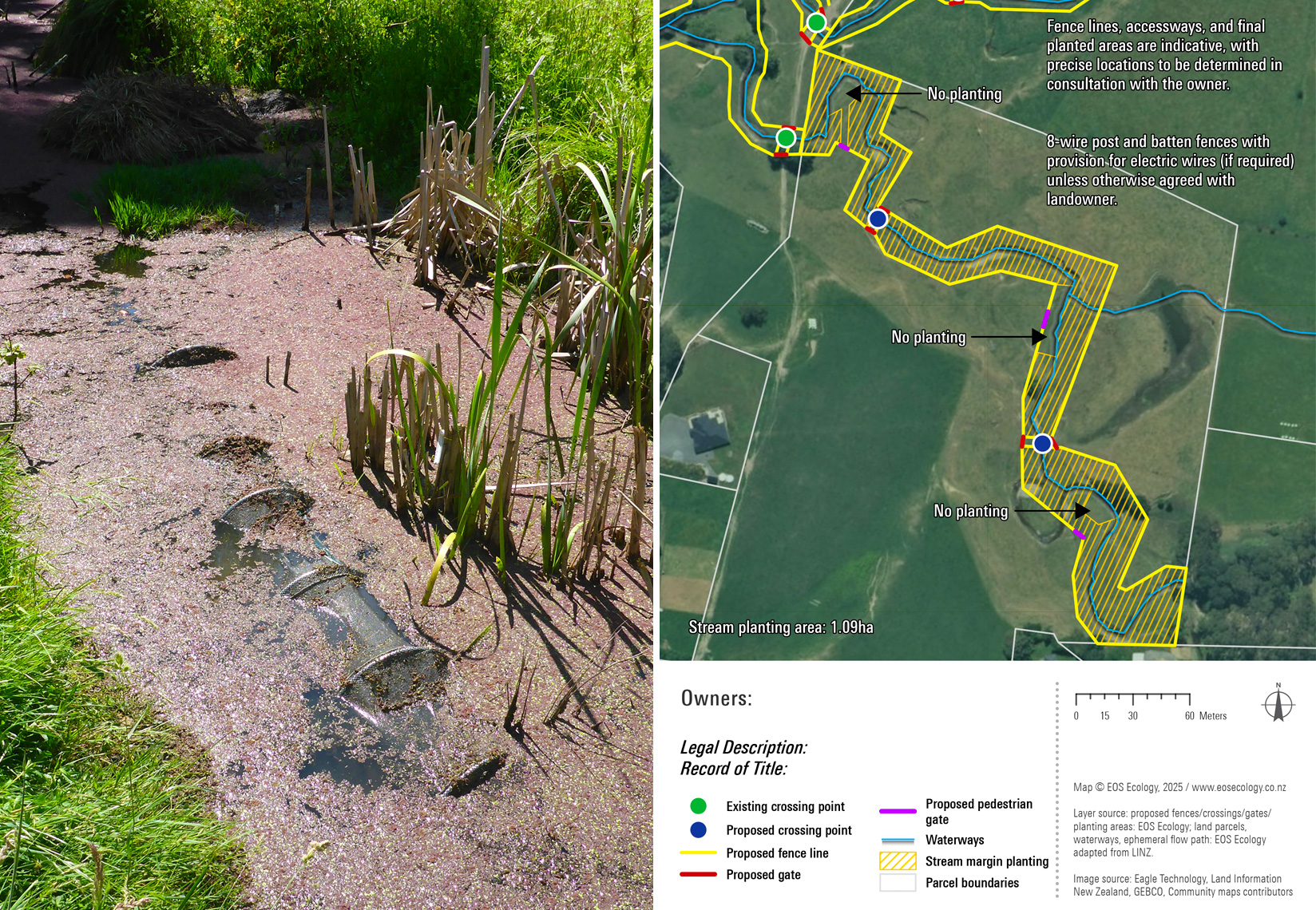
- Developed a site-by-site effects assessment using the EcIAG framework – assigning ecological values, determining effect magnitudes, and calculating Environmental Compensation Ratios for residual effects requiring biodiversity offsetting through riparian fencing and planting.
- Worked directly with iwi partners through ecological workshops, hui, and joint fieldwork with representatives from Muaūpoko and Ngāti Ruakawa ki te Tonga, contributing freshwater ecology input to the CEDF.
- Worked directly with NZTA staff and property consultants to identify potential stream offsetting locations on private land, including site visits to meet landowners and preparation of maps for inclusion in landowner agreements.

outcome
The assessment demonstrated that all adverse effects on freshwater habitats have been appropriately avoided, remedied, mitigated, or offset. Bridge crossings at all major waterways protect the highest-value sites. Stream simulation culverts maintain fish passage, with some crossings achieving a net gain by removing existing barriers. The biodiversity offsetting programme addresses residual habitat loss through riparian fencing and planting, with practical implementation likely to exceed minimum calculated requirements. The Department of Conservation chose not to submit against the application, specifically citing early and constructive engagement on freshwater ecology as a key factor. At the Environment Court hearing in late October 2023, neither the judge or commissioners required any questioning regarding freshwater ecology. The Court’s interim decision, issued mid-2024, supported the findings of the freshwater ecology assessment and the proposed effects management to avoid, minimise, or offset adverse impacts.
wider impact
- Establishes a benchmark for how large-scale roading projects can approach ecological effects management – from comprehensive baseline characterisation through to structured offsetting, iwi partnership, direct specialist discussions to work through matters ahead of consent hearings, and Environment Court representation.
- Demonstrates the value of a single ecological team maintaining continuity from initial field surveys through to design, consent hearings, and offsetting plans and discussions with landowners.