
Akaroa Treated Wastewater Irrigation Scheme
Freshwater and estuary ecology assessment for Akaroa’s shift from harbour discharge of treated wastewater to land-based wastewater irrigation: establishing ecological baselines, evaluating effects on threatened species and sensitive habitats, and presenting expert evidence at resource consent hearings.
2021–present (ongoing)
context
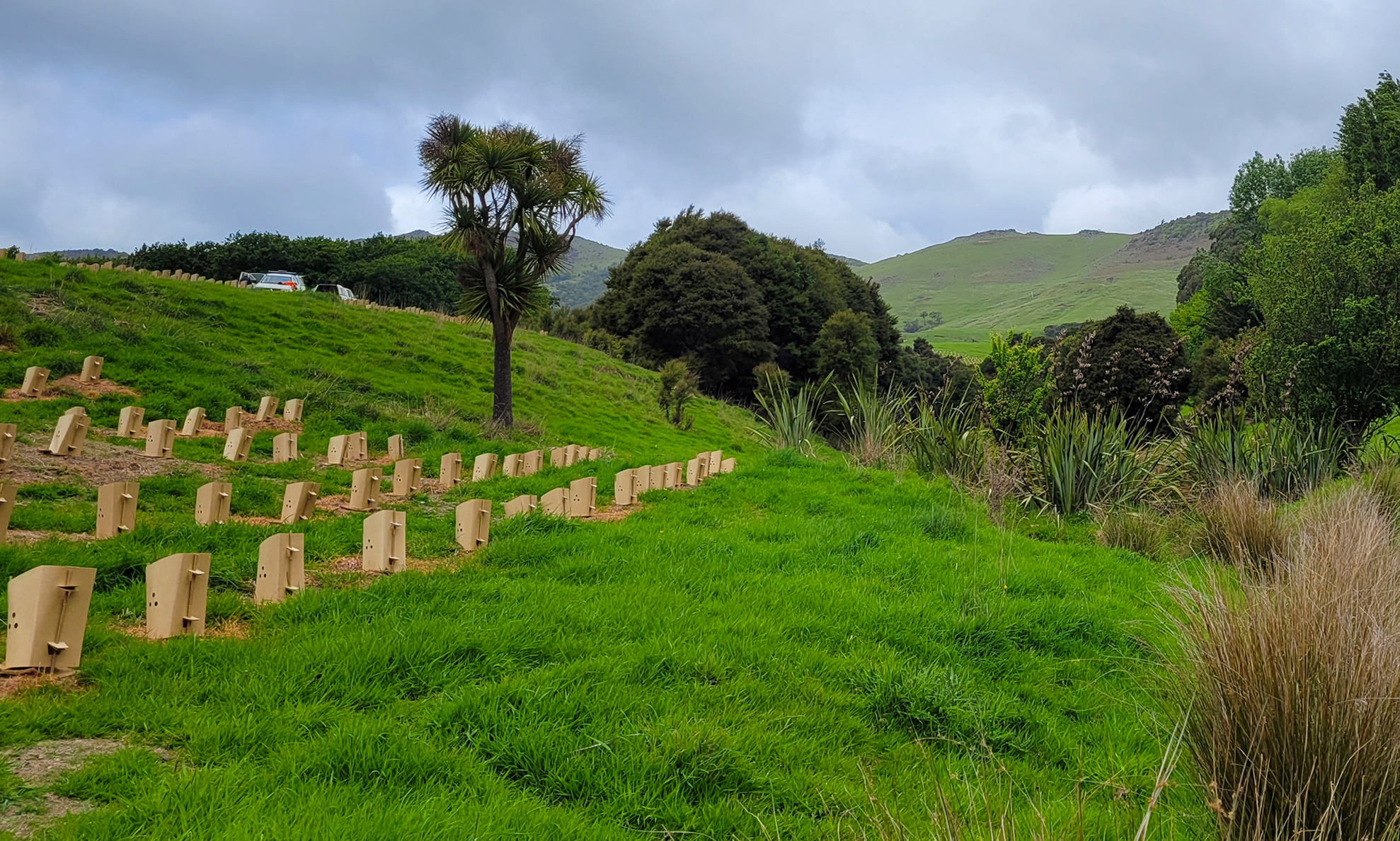
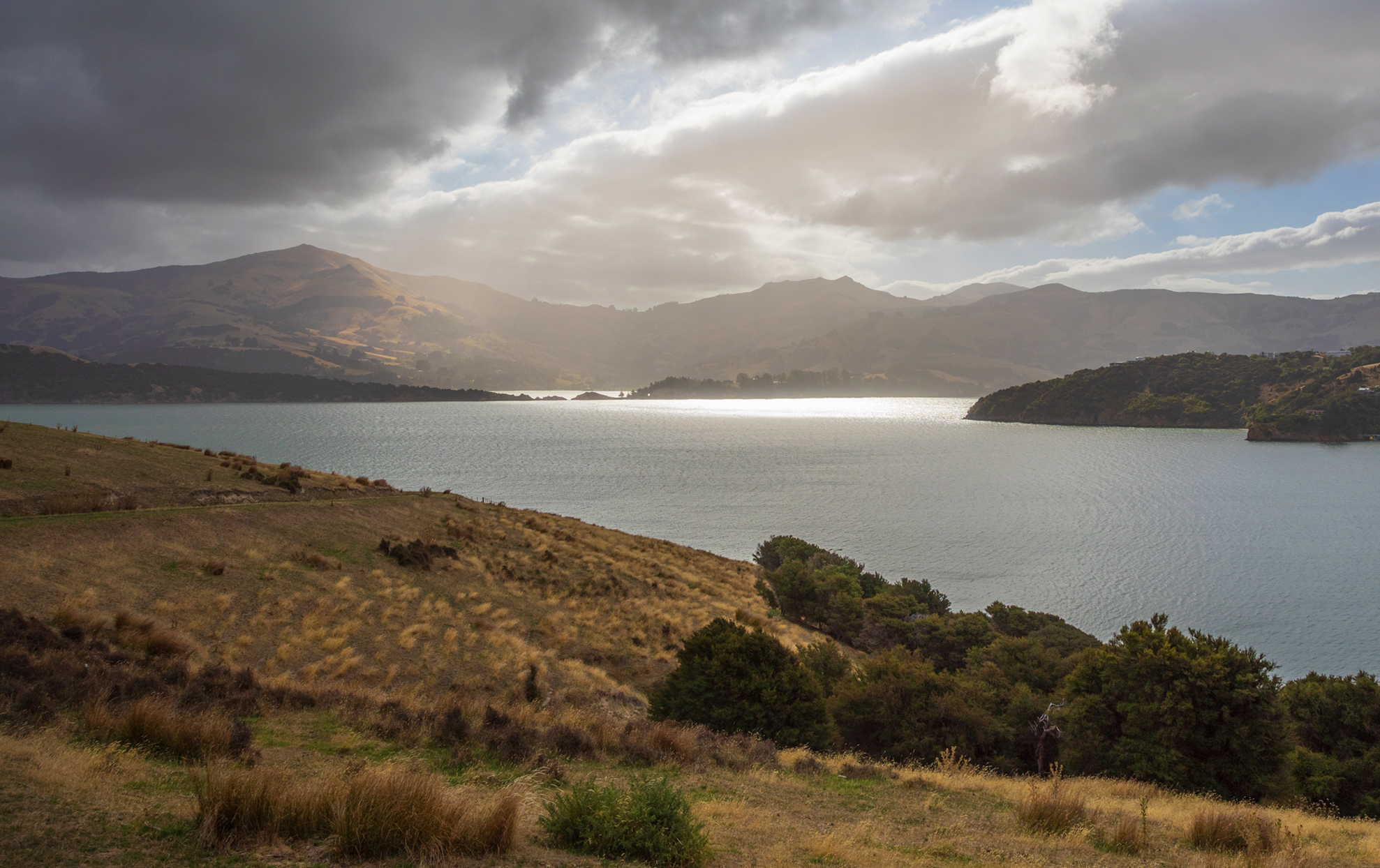
With the current harbour discharge consent extension due to expire in 2030, Christchurch City Council (CCC) is transitioning to a new way of managing Akaroa’s wastewater by discharging treated wastewater to land instead of into the harbour. The resulting scheme involves a new treatment plant and pump station, and irrigation of highly treated wastewater onto native trees and grass at locations around inner Akaroa Harbour. Whilst the scheme discharges to land, there is still the need to consider how it will interact with freshwater streams and the intertidal embayments these streams flow into.

challenge
- The scheme interacts with multiple freshwater environments, each with different catchment characteristics, fish communities, and water quality profiles requiring individual assessment. These freshwater systems discharge into embayments around inner Akaroa Harbour that support nationally ‘At Risk – Declining’ seagrass (Zostera muelleri), and shellfish populations valued as mahinga kai – all requiring careful evaluation.
- Existing ecological data for the waterways was limited, and baseline water quality data in the freshwater streams did not exist at the resolution needed to inform effects assessment or scheme modelling.
- Data on the intertidal habitats, including the extent of seagrass beds and benthic communities, was similarly insufficient to support a defensible assessment of effects.
our role
EOS Ecology is the aquatic ecology specialist for the Akaroa Treated Wastewater Irrigation Scheme (ATWIS), engaged by Stantec for CCC. We are responsible for all components of the freshwater and estuary ecological assessments – from initial gaps analysis and baseline surveys through to production of two AEE reports (freshwater and intertidal ecology), presentation of expert witness evidence at resource consent hearings, and expert conferencing.
how we approached it
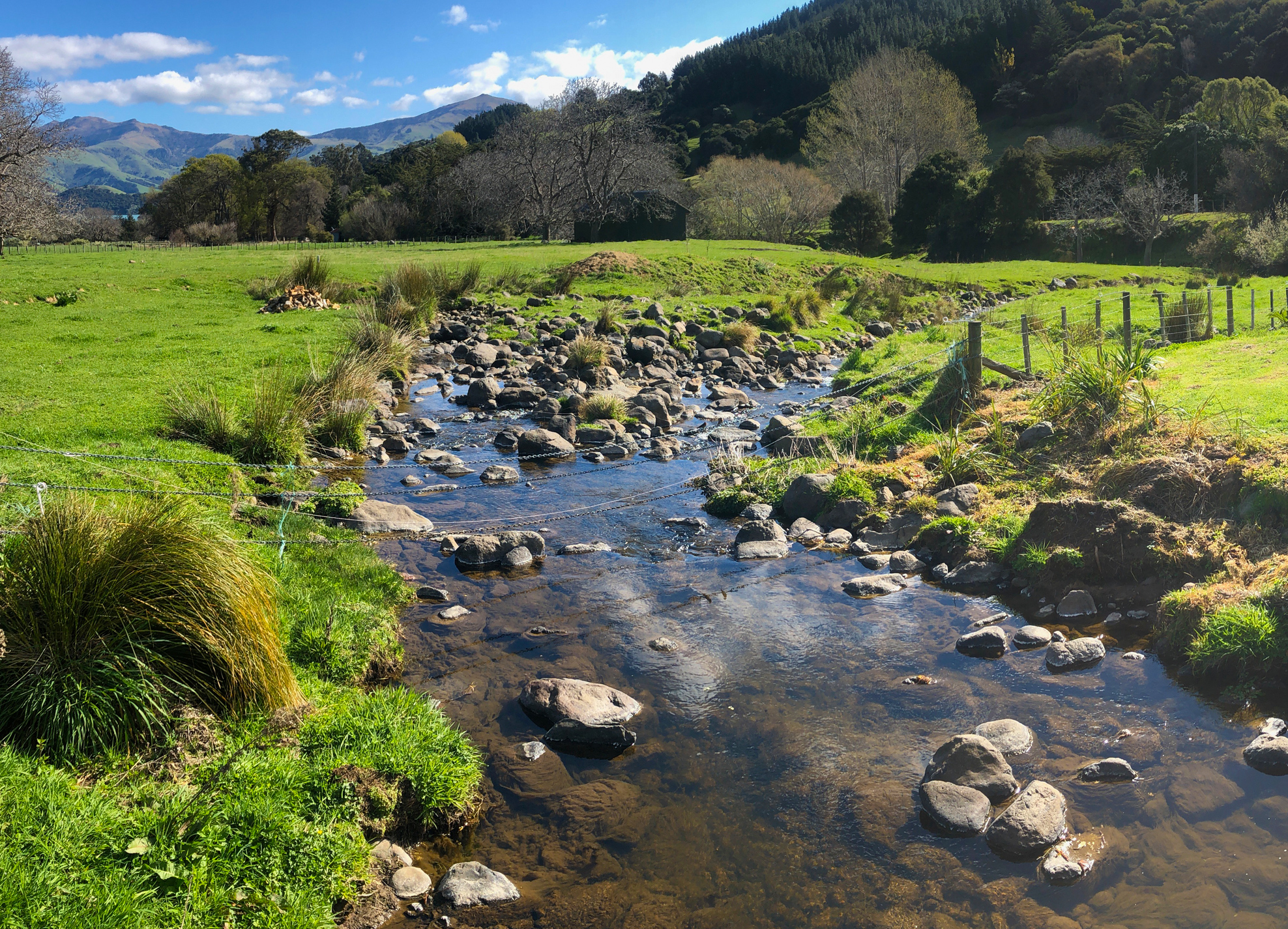
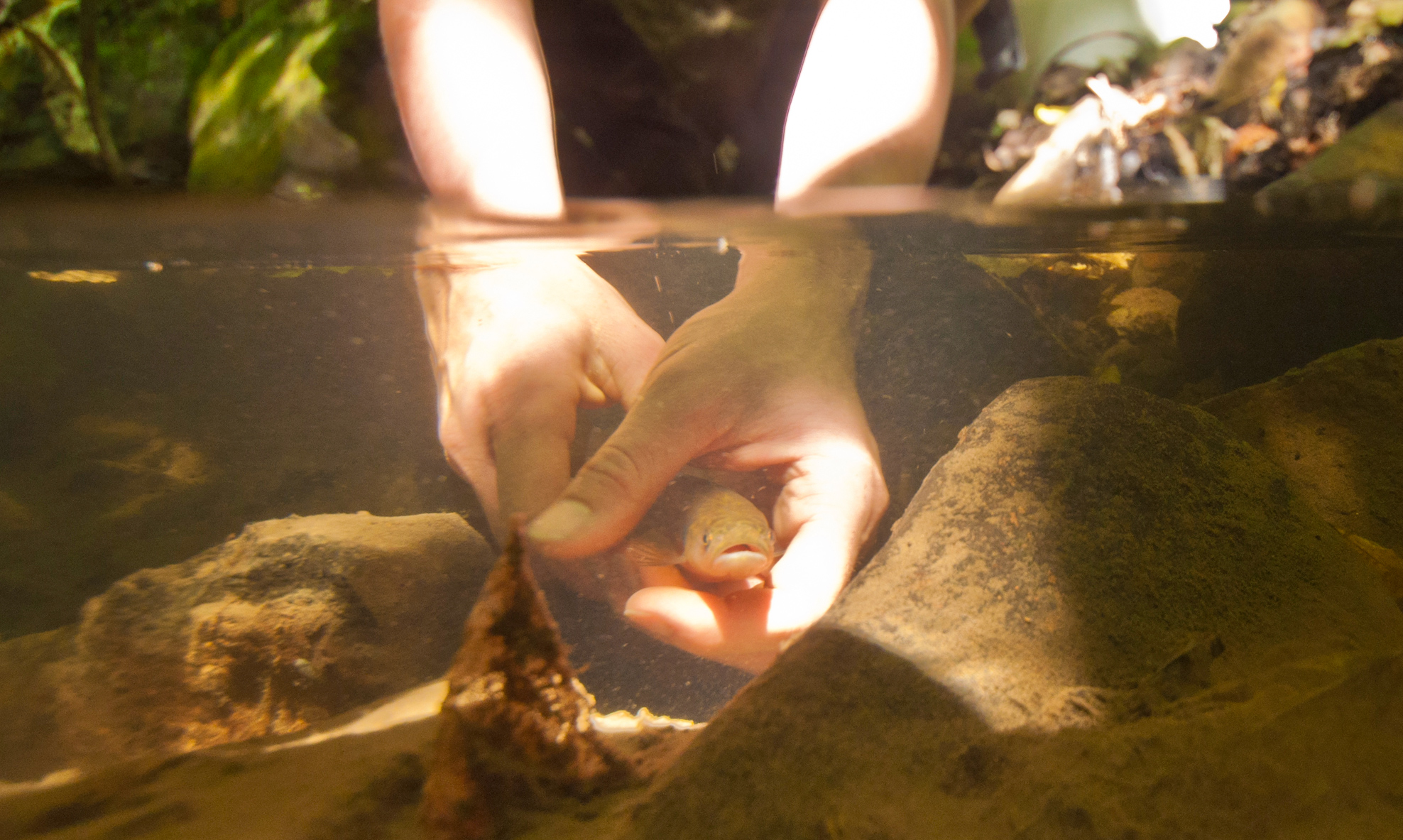
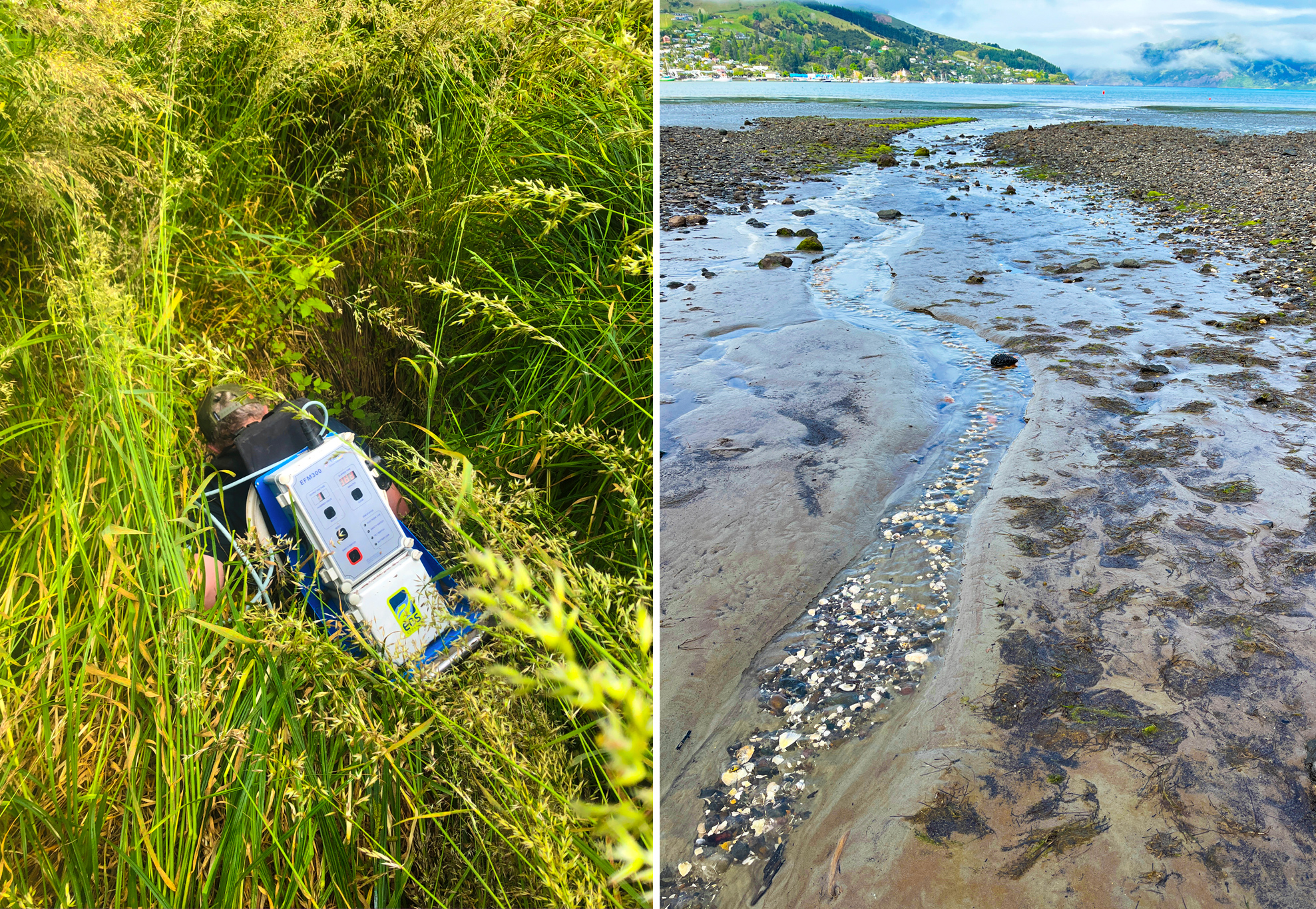
- Completed freshwater ecological surveys, including instream habitat assessment, macroinvertebrate sampling, electrofishing, and eDNA sampling at 12 sites across all potentially affected catchments – identifying fish communities with multiple ‘At Risk’ species, including longfin eel, kōaro, īnanga, giant bully, bluegill bully, torrentfish, and lamprey.
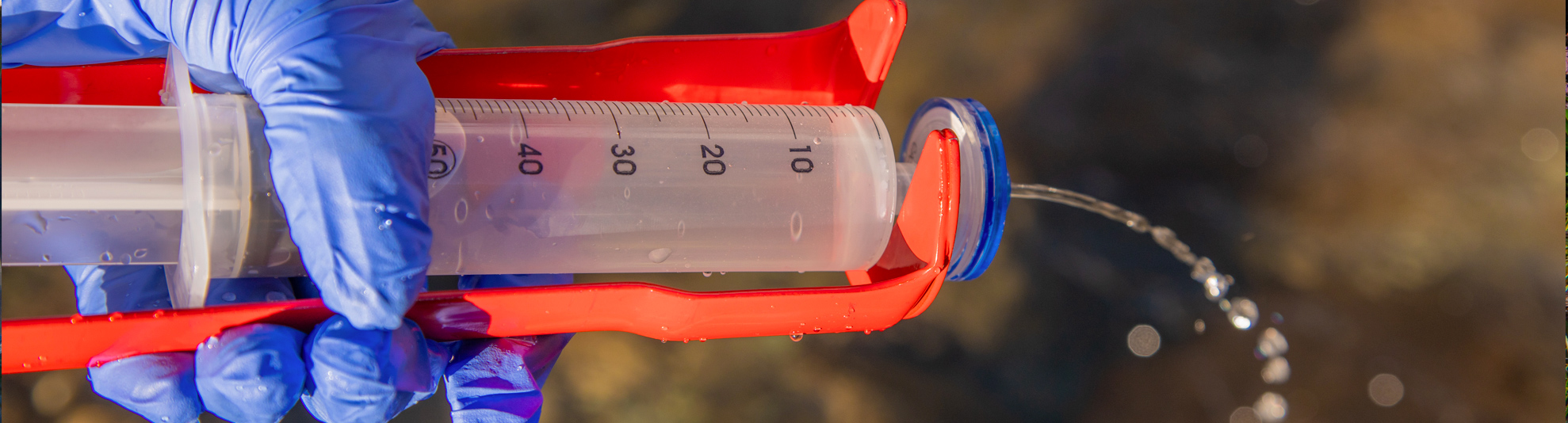
- Implemented a 12-month baseline water quality monitoring programme (Aug 2021–Jul 2022) across six freshwater sites, collecting monthly data on nutrients, heavy metals, faecal indicators, and physicochemical parameters to inform scheme design and our effects assessment, as well as establish the baseline for future monitoring.
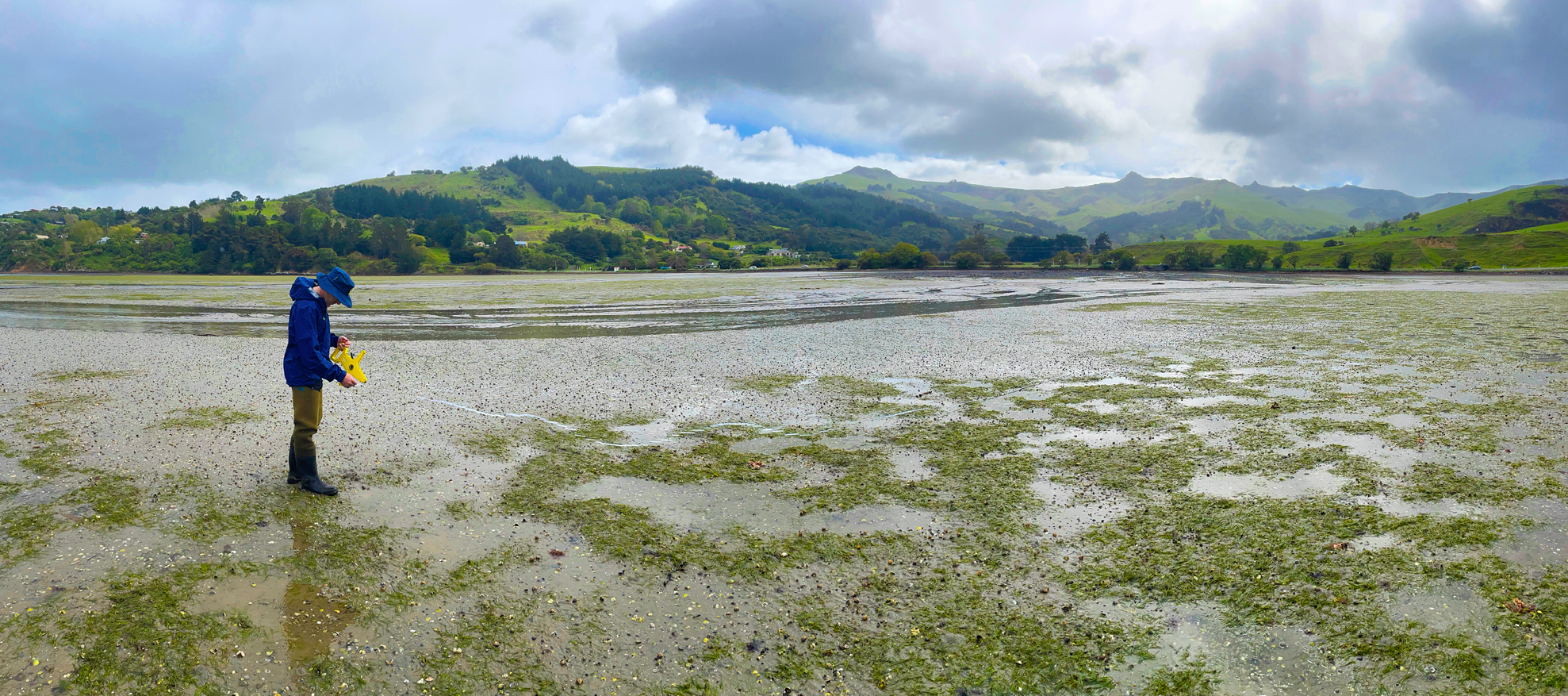
- Completed intertidal surveys across three estuary embayments, documenting benthic communities and mapping the extent of seagrass beds, designed to both inform the effects assessment and establish baseline monitoring data for the operational scheme.
- Provided guidance on the nutrient concentration ranges needed in freshwater receiving environments to retain existing ecological values.
- Produced two comprehensive AEE reports (freshwater and estuary ecology), both concluding effects could be effectively managed through scheme design and adaptive management. Prepared and presented expert witness evidence at resource consent hearings, and participated in expert conferencing with regional council ecologists to establish agreement on recommended monitoring requirements. The estuary AEE received no Section 92 requests for further information, and the freshwater AEE received only a minor request relating to the presentation of water quality data.

outcome
The assessments established that Akaroa’s shift from harbour discharge to land-based irrigation can be achieved without significant effects on the freshwater and estuary environments. A comprehensive monitoring programme with adaptive management triggers will ensure any unanticipated effects are detected and addressed. The project has now moved to the next phase with CCC Councillors approving an amended irrigation-to-land discharge option for a combined Akaroa and Duvauchelle wastewater scheme, tasking us with optioneering evaluations.
wider impact
- A nationally relevant approach for how small communities can manage wastewater reuse in ecologically sensitive receiving environments – the assessment framework spanning freshwater, estuarine, and transitional habitats is transferable to similar coastal wastewater schemes across Aotearoa New Zealand.
- Demonstrates the value of investing in 12 months of site-specific baseline data before drawing conclusions about effects – ground-truthing modelled predictions against actual receiving environment conditions produces more defensible assessments than desktop analysis alone.